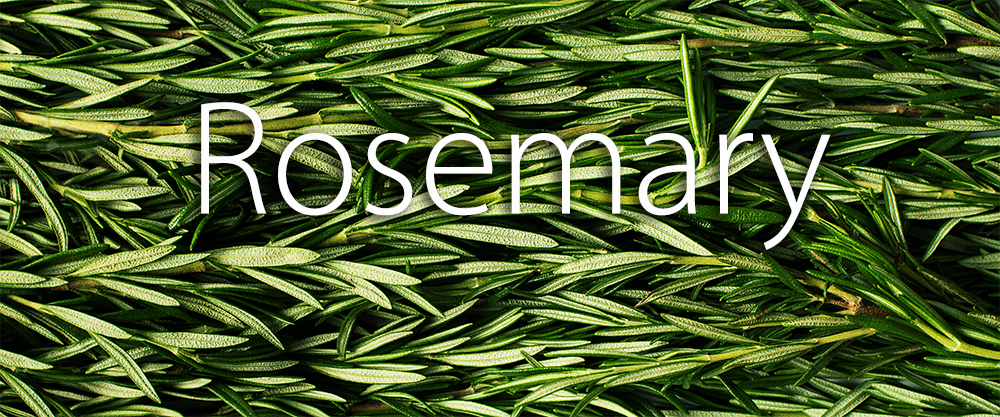
What is Rosemary
Rosemary (Rosmarinus officinalis) is a perennial herb that belongs to the mint family, Lamiaceae. It is native to the Mediterranean region and is widely cultivated for its aromatic leaves, which are used as a culinary herb and for various medicinal purposes. Rosemary has needle-like leaves that are dark green on top and silver-gray underneath. It produces small, pale blue flowers in spring and summer. The leaves of rosemary have a distinct pine-like fragrance and a strong, slightly bitter flavor. It is commonly used in cooking to flavor meats, soups, stews, and roasted vegetables. Rosemary is also known for its potential health benefits, including improving digestion, boosting memory and concentration, and having antioxidant and anti-inflammatory properties. Additionally, rosemary is often used in aromatherapy and as an ornamental plant in gardens and landscapes.
To grow rosemary from cuttings, follow these steps:
1. Select a healthy rosemary plant: Choose a mature, healthy rosemary plant with strong stems and vibrant foliage.
2. Prepare the cutting: Take a 4-6 inch cutting from the tip of a rosemary stem. Make sure the cutting has at least 2-3 sets of leaves.
3. Remove lower leaves: Strip off the lower leaves from the bottom 2 inches of the cutting.
4. Dip in rooting hormone (optional): Although not necessary, dipping the cut end of the rosemary cutting in a rooting hormone can increase the chances of successful rooting.
5. Plant the cutting: Fill a small pot with well-draining potting soil. Make a hole in the soil using a pencil or your finger and insert the cutting into the hole. Firmly press the soil around the cutting to secure it.
6. Water the cutting: Water the cutting thoroughly, ensuring that the soil is evenly moist but not waterlogged. Place the pot in a warm, bright location, but avoid direct sunlight.
7. Provide humidity: To maintain humidity around the cutting, you can cover the pot with a plastic bag or place it in a propagator. This will help prevent moisture loss and encourage root development.
8. Monitor and care for the cutting: Check the cutting regularly to ensure the soil remains moist. Avoid overwatering, as this can lead to rot. Mist the cutting with water occasionally to maintain humidity.
9. Transplanting: After 6-8 weeks, gently tug on the cutting to check for resistance, indicating root development. Once roots have formed, transplant the cutting into a larger pot or into the ground, ensuring it receives full sun and well-draining soil.
10. Regular care: Water the newly transplanted rosemary regularly, allowing the soil to dry out slightly between waterings. Prune the plant regularly to encourage bushier growth.
With proper care, your rosemary cutting should develop into a healthy, mature plant that you can use for culinary purposes or enjoy for its aromatic foliage.
How big does Rosemary grow?
Rosemary plants can vary in size depending on the variety and growing conditions. On average, rosemary plants can grow to be 2 to 6 feet tall and 2 to 4 feet wide. However, some varieties can grow even larger, reaching heights of up to 8 feet. It's important to note that rosemary plants are typically slow-growing, especially in cooler climates. With proper care and pruning, you can control the size and shape of your rosemary plant to fit your desired space.